




Blogs
The Ultimate Guide to Choosing the Right Car Sponge
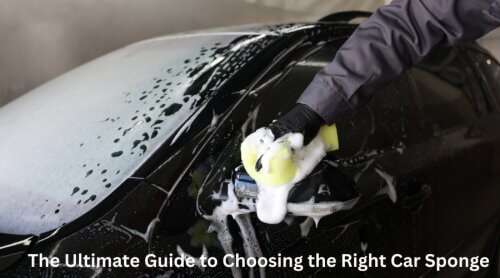
Cleaning a car takes the right equipment. It has been easier with a good sponge. It also protects the paint, and it eliminates dust. However, it may be difficult to select the appropriate sponge. Many types exist in stores. They work differently on the car surfaces. This guide describes all car sponges and helps you select the most suitable option.
Why the Right Sponge Matters?
The wrong sponge can damage car paint. Hard material forms minute scratches. These are scratches that wear away the finish over time. They ensure that the car appears older than it is. An appropriate car sponge soothes the dirt. It holds an ample amount of water and soap. This will lessen the friction on the paint. Reduced friction denotes improved protection.
Quality sponges are also long-lasting. They do not disintegrate with frequent use. The initial expense is compensated in the long run. Inexpensive sponges must be changed frequently.
Types of Car Sponges
Natural Sea Sponges
The ocean is the source of natural sea sponges. They have existed for decades. These sponges are extremely soft and gentle. Their rough surface helps them to work with the paint.
Sea sponges hold huge amounts of water. This maintains a well-lubricated surface on the car. Dust gets washed away during usage. The natural material is eco-friendly. Sea sponges are, however, more expensive than others. They are also more demanding to maintain. It needs to be dried after every use. Their condition can develop an odor or mold without proper care.
Synthetic Sponges
Synthetic sponges are made with manufactured materials. The popular types include foam and cellulose. Most car owners use synthetic options.
There are various foam sponge densities. The soft foam is not harmful to the paint. The thicker foam has increased scrubbing ability. The option will depend on cleaning requirements.
Synthetic sponges have a better ability to dry up faster than natural sponges. This avoids the growth of bacteria. They also do not tear easily and have a relatively long life. They are affordable for everyone because of their price.
Microfiber Sponges
Microfiber sponges are a combination of foam and microfiber material. A single side is made of soft microfiber. The other one is foam to hold and contain water. This design can be used in a wide array of applications.
Its microfiber side is very tender. It does not scratch when picking up dirt. The foam surface contains water and soap. They both make a good cleaning. These sponges are effective on modern automobile finishes. Delicate paints and clear coats are also protected. They are more expensive than basic foam and less expensive than sea sponges.
Features to Look For
Size and Shape
There are sponge sizes and strategies for handling and coverage. The ability of big sponges to cover the area is rapid. They are, however, difficult to manage. Small sponges are more precise, but take longer.
The shape is also significant for various automotive components. Flat sponges are applied to the hood and door. Round sponges are better at reaching curved corners. Some sponges have grooves to improve their holding power. The choice depends on hand size. The sponge should be comfortable to the touch. An appropriate fit reduces hand fatigue during washing. This is important with bigger vehicles.
Texture and Softness
Cleaning power and safety depend on texture. Very soft textures cover sensitive paint. Coarse rough surfaces are more efficient in cleaning off stubborn dirt. It is necessary to strike the right balance. Test the sponge by feeling it. It must compress without necessarily being mushy. The surface must feel smooth. Sharp edges or rough edges indicate bad quality.
Quality sponges have uniform quality across. The cheap ones contain hard spots or uneven areas. These inconsistencies can scratch the paint. Always check before buying.
Water and Soap Retention
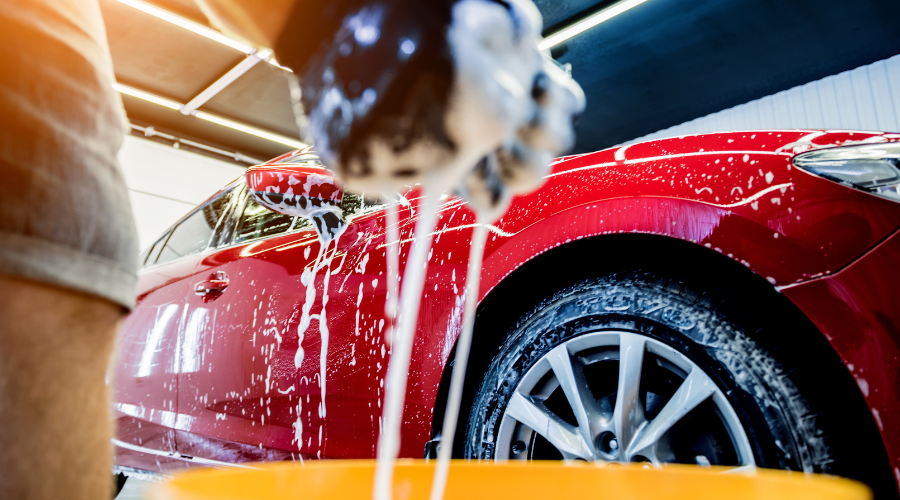
Great sponges serve as reservoirs. They carry a great bunch of soapy water. This keeps it lubricated during washing. Scratching is prevented by continuous lubrication.
The retention is tested by squeezing the sponge. It must not be rapidly discharged. Poor retention is equivalent to quick release. The sponge will require re-dipping at all times. The absorption rate is also important. The sponge is supposed to absorb the water rapidly. When absorption is slow, washing takes longer. Efficiency is enhanced by fast absorption.
The action of Different Sponges on Paint.
-The contemporary car paint features fragile, clear layers. These are protective, shiny coatings. They also scratch easily with inappropriate tools. The sponge selection process directly affects the condition of the clear coat.
-The soft sponges move over the surface. They collect the dust particles safely. The sponges trap the particles. This prevents them from grinding on paint.
-Rough or hard sponges squeeze the dirt into the paint. The friction forms swirl marks. The marks are visible in sunlight. When they exist, they need to be corrected professionally.
-It is prudent to test at a small scale initially. Select a point that will not be noticed, such as the low door. Clean and look out for any marks. This proves that the sponge is safe.
Proper Sponge Care
Cleaning After Use
-Wipe the sponge with lots of clean water after washing. Wipe off all dirt and soap. Often, it is squeezed through running water. Add water, and keep adding until the solution runs clear.
-A certain dirt digs into the pores of sponges. It might not be removed by regular rinsing. Deep cleaning helps extend the sponge's lifespan occasionally. Warm up in a lot of water with a light detergent.
-Do not leave a dirty sponge to sit. The dried dirt solidifies and becomes scurvy. The following application would scratch the paint. After washing the car, it should always be cleaned.
Drying and Storage
-The correct drying prevents mold and odors after rinsing and removes all excess water. Keep the sponge in a properly ventilated place. Close containers or damp areas are to be avoided.
-Natural sponges take longer to dry. Better put them in the open air. Synthetic sponges dry quicker, yet they still require air. It should fully dry out between uses.
-Finally, do not leave store sponges in the sun. UV rays dissolve materials with time. A dry, clean garage shelf is ideal. Do not store them with the rest of the tools to prevent contamination.
When to Replace
-Even quality sponges give up at some point in time. Some signs comprise falling apart or crumbling. Persistent odors, even after cleaning, are not acceptable. Roughness or hard spots will develop with age.
-The sponge must retain its natural softness. When it is rough, then it is time to replace it. The sponges should not be used, as worn sponges are unsafe for painting. New sponges are cheaper than repainting.
-Sponge can be changed by regular users every few months. Infrequent users may go half a year or longer without use. Usage frequency can better indicate when to replace. Check your sponge after each use.
What Errors to Avoid
Using Kitchen Sponges
Kitchen sponges seem to be like car sponges. They, however, are not designed for use with paint. The abrasive side produces deep scratches. This can be too harsh, even the soft part. Harsh chemicals are also found in kitchen sponges. These can react with sealant or car wax. There is damage to the protective coating. Always wash cars with car sponges.
Washing Without Proper Soap
Car wash soap has been specifically designed. It gives lubrication and cleaning prowess. It is dangerous to use dish soap or other cleaners. They remove the wax, and they may be too rough. The correct sponge is used with the right soap. Collectively, they are effective at removing dirt. Cleaning cannot be accomplished without water alone. Always use the appropriate products during car washes.
Dropping the Sponge
A dropped sponge picks up ground debris. Tiny rocks and sand become embedded. With this sponge, deep scratches form. A single particle of grit is damaging. If the sponge falls, wash it thoroughly. Look carefully for particles that have been embedded. Wherever in doubt, one should take another sponge.
Scrubbing Too Hard
Cleaning is not enhanced by excessive pressure. In fact, it intensifies the chances of being scratched. The sponge must not be rough and should move with light pressure. Allow the soap and water to work.
On difficult dirt, apply a lot more soap or pre-soak. Pass a couple of times gently, rather than scrubbing. Better paint protection is achieved through patience rather than force. Hard scrubbing never helps.
Budget Considerations
The cost of car sponges ranges from a few dollars to more than twenty dollars. Quality and durability are represented in price. What matters is finding the right value.
Budget sponges are acceptable for simple cleaning. They are appropriate with occasional users. Mid-range options are available to frequent washers. These are more enduring and difficult to perform.
Premium sponges are reasonable for car enthusiasts. Individuals who wash once a week are more appreciative. Better outcomes and longevity are worth the increased expenditures. Washing frequency is one factor to consider.
Making the Final Choice
-Washing frequency should first be counted. Regular washers will need durable sponges. Occasional users can select budget options. Share the sponge's quality with use.
-Consider the condition of the paint on the car. New cars require the softest sponges. Older vehicles using harder paint have more tolerance. Fragile finishes need additional attention.
-Personal comfort is also important. The sponge must be comfortable in the hand. Size and weight affect the washing experience. When one feels comfortable, one will perform better.
-Checks reviews before making a purchase. Other users' input is valuable. Find remarks concerning strength and softness. Several favorable reviews indicate strong selection.
Conclusion
Using the appropriate car sponge will help keep the car clean. Quality sponges are more expensive initially. Nevertheless, they prevent costly paint damage. The correct option eases the car washing and makes it safer.
Featured Articles
Summary Selecting car sponges in bulk requires all the information we will provide in this blog. It s
READ FULLHighlights The first question to ask when choosing a supplier of car
READ FULLSummary Car owners and automobile washing businesses often face a problem when cleaning cars. That
READ FULL